
Global brands have increasingly viewed India as a vital market for both production and consumption. With its large consumer base, skilled and inexpensive labor force, and favorable economic policies, India presents a unique opportunity for multinational companies to establish a strong foothold.
This article explores the business architecture that global brands have created in India, focusing on where they set up factories, their market strategies, and how they achieve cost leadership.
Additionally, the study examines how these companies use tariff barriers, leverage inexpensive labor, and whether they augment exports from India.
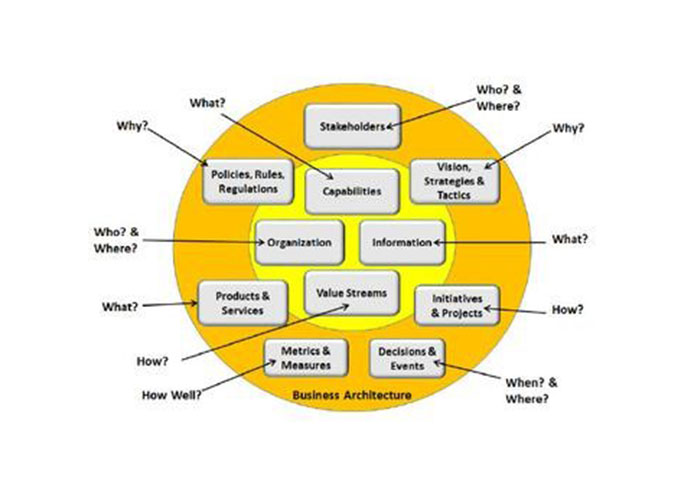
Global brands typically choose factory locations in India based on several factors, including proximity to raw materials, availability of skilled labor, logistical advantages, and government incentives. The strategic placement of these manufacturing units is crucial for minimizing costs and optimizing supply chains.
A. Automotive Industry: Hyundai and SuzukiHyundai: Hyundai has established its primary manufacturing plant in Sriperumbudur, Tamil Nadu, near Chennai. Tamil Nadu is known for its well-established automotive ecosystem, skilled workforce, and excellent connectivity through ports like Chennai. This location allows Hyundai to maintain cost efficiency and ensure a quick turnaround in production.
Suzuki (Maruti Suzuki): Suzuki has a significant manufacturing presence in Gujarat, with a major plant located in Hansalpur, near Mehsana. Gujarat offers robust infrastructure, lower land costs, and access to the Mundra Port for exports, making it an ideal location for Suzuki’s cost-effective automotive manufacturing.
Samsung: Samsung operates one of the world’s largest mobile manufacturing plants in Noida, Uttar Pradesh. This facility’s strategic location near Delhi NCR provides easy access to a vast consumer market, a developed supply chain, and a large pool of skilled labor.
Foxconn: Foxconn, a key supplier for brands like Apple, has set up manufacturing units in Sriperumbudur, Tamil Nadu, and Sri City, Andhra Pradesh. These locations are chosen for their access to ports, availability of inexpensive labor, and favorable state government policies that include tax incentives and subsidies.
The business strategies of global brands in India often focus on localization, price competitiveness, and leveraging India’s vast consumer base. These strategies are key to achieving cost leadership and increasing market share.
Maruti Suzuki: Maruti Suzuki, the market leader in the Indian automotive sector, has successfully implemented a strategy of deep localization with its plants in Gurgaon and Manesar, Haryana. By sourcing over 90% of its components locally, the company has reduced production costs significantly, allowing it to offer competitively priced vehicles and maintain leadership in India.
Hyundai: Hyundai, with its manufacturing base in Sriperumbudur, Tamil Nadu, has also adopted a high level of localization. By establishing a robust local supply chain, Hyundai minimizes import costs, enhancing its cost leadership in the competitive Indian automotive market.
Unilever (Hindustan Unilever Limited): Unilever operates several manufacturing plants across India, including in Haridwar, Uttarakhand, and Silvassa, Dadra and Nagar Haveli. The company has localized its product offerings, developed specifically for Indian tastes and preferences, and established an extensive distribution network that reaches even the most remote areas.
Procter & Gamble (P&G): P&G operates major plants in Bhiwadi, Rajasthan, and Hyderabad, Telangana. The company has localized production and offers products at various price points to cater to different consumer segments. P&G’s focus on cost-efficient manufacturing and expansive distribution network has helped it compete effectively in India’s price-sensitive market.
Global brands have taken advantage of India’s tariff structure to optimize their manufacturing costs. By setting up local manufacturing bases, these companies can avoid high import duties and tariffs that would otherwise increase the cost of imported goods.
The Indian government has implemented policies such as the Make in India initiative and the Production Linked Incentive (PLI) scheme, which includes higher tariffs on imported electronics and components, incentivizing companies to set up manufacturing units in India.
Samsung: With its Noida, Uttar Pradesh, plant, Samsung avoids import tariffs by manufacturing locally, allowing it to offer competitively priced products in the Indian market.
Xiaomi: Xiaomi has established manufacturing units in Sri City, Andhra Pradesh, and Sriperumbudur, Tamil Nadu, in partnership with Foxconn. These local production units help Xiaomi circumvent high tariffs, enabling the company to price its products competitively.
The Indian automotive industry benefits from tariff barriers that make imported vehicles significantly more expensive than those produced locally.
Toyota: Toyota has a major manufacturing plant in Bidadi, Karnataka, which allows the company to produce vehicles locally, reducing costs and offering competitively priced models in India.
Honda: Honda has set up its manufacturing base in Tapukara, Rajasthan, which helps the company avoid tariffs on imported vehicles and cater to the Indian market with cost-effective pricing.
India’s relatively low labor costs have made it an attractive destination for global brands looking to set up manufacturing bases. This has not only allowed these companies to reduce production costs but also positioned India as a key export hub.
Levi’s: Levi’s has manufacturing facilities in Bangalore, Karnataka, and Chandigarh, where it produces a significant portion of its apparel for both the domestic market and exports. The inexpensive labor in these regions allows Levi’s to maintain competitive pricing globally while improving profit margins.
Zara: Zara, through its parent company Inditex, sources much of its apparel from manufacturing units in Bangalore, Karnataka, and Mumbai, Maharashtra. The cost advantages of producing in India have allowed Zara to remain competitive in international markets, leveraging India’s inexpensive labor to augment exports.
Pfizer: Pfizer has a large manufacturing facility in Vizag, Andhra Pradesh, which serves as a hub for producing generic drugs for global export. The skilled yet inexpensive labor force in India helps Pfizer offer competitively priced pharmaceutical products in international markets.
Novartis: Novartis operates its manufacturing unit in Kalwe, Maharashtra, leveraging India’s labor cost advantages to produce and export a significant volume of its pharmaceutical products to global markets.
Global brands operating in India have successfully created business architectures that leverage the country’s strategic advantages, including inexpensive labor, favorable tariff structures, and a vast consumer market. By strategically locating their manufacturing bases, localizing their supply chains, and leveraging tariff barriers, these companies have achieved significant cost leadership. Moreover, the ability to export from India at competitive prices has further enhanced their global market positions. As India continues to evolve as a manufacturing hub, the role of AI, automation, and other advanced technologies in optimizing these operations will likely grow, further solidifying India’s position as a key player in the global supply chain.
References:
1. "Hyundai and Suzuki Lead the Way in India’s Automotive Manufacturing." The Economic Times, 2021
2. "Samsung’s Manufacturing Strategy in India: The Noida Mega-Factory." Business Standard, 2020
3. "Foxconn’s Expansion in India: A Move to Diversify Beyond China." CNBC, 2021
4. "Maruti Suzuki’s Localization Strategy in India." India Today, 2019
5. "How HUL is Leveraging Local Manufacturing to Lead the FMCG Market in India." Mint, 2020
6. "Procter & Gamble’s Market Strategy in India: Focus on Affordability and Distribution." The Hindu Business Line, 2021
7. "India’s Tariff Barriers and the Impact on Local Manufacturing." The Financial Express, 2020
8. "How Global Brands Are Leveraging India’s Inexpensive Labor for Export Augmentation." The Times of India, 2021
9. "Levi’s and Zara: Apparel Manufacturing in India and Global Exports." Forbes India, 2020
10. "Pfizer and Novartis: Building a Global Pharmaceutical Hub in India." The Economic Times, 2020
Copyright © 2024 The Winning Edge Mumbai, India. All Rights Reserved.