
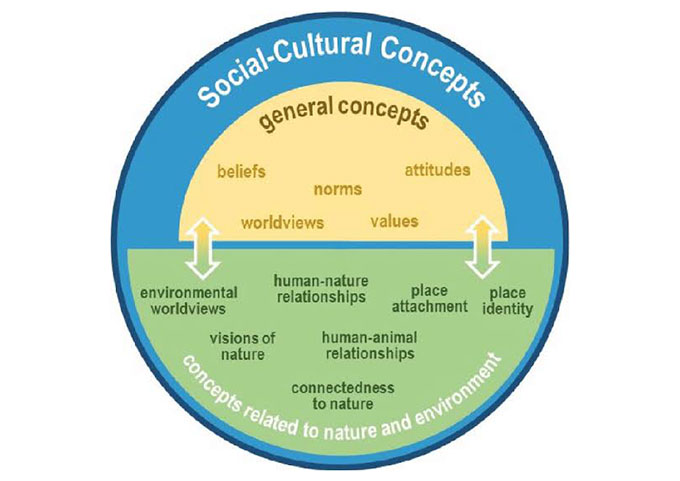
Analyzing the socio-cultural environment of a country is essential for understanding how social and cultural factors influence businesses. The socio-cultural environment encompasses the customs, lifestyles, values, norms, and demographics of a society, all of which affect consumer behavior, labor markets, and overall business operations. Here’s a structured approach to analyzing the socio-cultural environment.
Population Size and Growth: Analyze the population size and growth rate. A growing population might indicate a larger market, while an aging population could affect the types of products and services in demand.
Age Distribution: Examine the age structure of the population. A younger population might demand more tech products and education services, while an older population might drive demand for healthcare and retirement services.
Gender Distribution: Understand gender demographics and how they influence market opportunities. For example, a country with a higher percentage of working women might have increased demand for childcare services and convenience products.
Urban vs. Rural Distribution: Analyze the distribution of the population between urban and rural areas. Urbanization trends can affect consumer behavior, lifestyle choices, and infrastructure needs.
Cultural Norms: Understand the prevailing cultural norms, including traditions, rituals, and customs. Businesses must align their practices and marketing strategies with these norms to be accepted by the local population.
Religious Beliefs: Consider the role of religion in shaping consumer behavior, holidays, and work ethics. Religious festivals might affect shopping patterns, while dietary restrictions could influence food product offerings.
Social Values: Analyze the dominant social values such as collectivism vs. individualism, respect for authority, gender roles, and attitudes toward innovation. These values influence how products and services are perceived and adopted.
Language Barriers: Identify the primary languages spoken and consider any language barriers that could affect marketing, customer service, and employee communication. Localization of products and advertising might be necessary.
Communication Styles: Understand the communication style of the culture, whether it’s direct or indirect, formal or informal. This will impact marketing messages, business negotiations, and customer interactions.
Education System: Evaluate the quality and accessibility of the education system. A well-educated workforce is crucial for businesses requiring skilled labor, while the education level of consumers affects their purchasing decisions.
Literacy Rate: Analyze literacy rates, as they impact the effectiveness of written communication in marketing, packaging, and customer service.
Skill Development: Understand the emphasis on vocational training and higher education, which can affect the availability of skilled labor in certain industries.
Class Structure: Study the class structure and social stratification, which can influence consumer purchasing power and brand perception. Products targeting different social classes may require different marketing strategies.
Social Mobility: Consider the level of social mobility within the country. High social mobility might lead to greater aspirations and spending, while low mobility could indicate entrenched economic disparities.
Consumption Patterns: Examine lifestyle trends, including spending habits, leisure activities, and health consciousness. For example, a growing interest in fitness could boost demand for health-related products and services.
Work-Life Balance: Understand attitudes toward work-life balance, as this influences consumer demand for convenience products, entertainment, and travel.
Technology Adoption: Assess how rapidly the population adopts new technologies, as this affects e-commerce, digital marketing, and product development.
Family Structure: Analyze family structures, including the size of households, the role of extended families, and the importance of family in decision-making. This can impact product demand, particularly for housing, consumer goods, and education.
Influence of Social Groups: Consider the influence of peer groups, social networks, and community organizations on consumer behavior and brand loyalty.
Role of Media: Evaluate the role of traditional and digital media in shaping public opinion and consumer trends. Media influence can greatly impact marketing strategies and brand perception.
Cultural Openness: Assess the society’s openness to foreign products and businesses. In some cultures, there may be a preference for local products, while others may welcome foreign brands.
Nationalism and Ethnocentrism: Understand the levels of nationalism and ethnocentrism, as these can influence consumer choices and the success of foreign businesses.
Corporate Social Responsibility (CSR): Analyze how important CSR is to the population. Businesses that align with local values and contribute to social causes may gain consumer trust and loyalty.
Environmental Concerns: Evaluate the population’s concern for environmental issues. Growing environmental awareness might demand sustainable practices and products.
Labor Practices: Understand the local norms and expectations regarding labor practices. Fair treatment of employees and ethical labor practices can influence a company’s reputation and consumer support.
Product Safety and Quality: Consider societal expectations for product safety and quality. High expectations may require stringent quality control measures and certifications.
Emerging Trends: Keep track of emerging social and cultural trends, such as shifts in consumer preferences, changes in lifestyle, or evolving social norms.
Impact of Globalization: Assess the impact of globalization on the local culture, including the adoption of global trends and the influence of global media.
Impact of Pandemics or Crises: Understand how recent events like pandemics, economic crises, or social movements have reshaped cultural norms and consumer behavior.
PEST Analysis: Use PEST (Political, Economic, Social, and Technological) analysis to systematically explore social and cultural factors alongside other environmental factors.
SWOT Analysis: Evaluate how socio-cultural factors contribute to the strengths, weaknesses, opportunities, and threats (SWOT) facing a business.
Cultural Dimension Models: Use frameworks like Hofstede’s Cultural Dimensions to compare the cultural values of different countries and understand their business implications.
To analyze the socio-cultural environment of a country, it is important to understand the demographics, cultural values, communication styles, education levels, social structures, and lifestyle trends that influence consumer behavior and business operations. By considering these factors, businesses can tailor their strategies to align with local norms and preferences, ensuring better market acceptance and success.
Copyright © 2024 The Winning Edge Mumbai, India. All Rights Reserved.