
In the complex and competitive world of business, the relationship between a brand and its consumers is pivotal. This relationship is often nurtured through consistent delivery of positive emotions, which strengthens loyalty, enhances customer satisfaction, and drives long-term success. However, when negative emotions enter the equation—whether due to product issues, poor customer service, or cultural misunderstandings—the repercussions can be severe. A disconnect in the brand-consumer relationship can lead to loss of trust, damage to reputation, and ultimately, loss of business.
This article explores the disastrous effects of negative emotions on brand-consumer relationships and how leading global brands operating in cross-cultural environments salvage these situations.
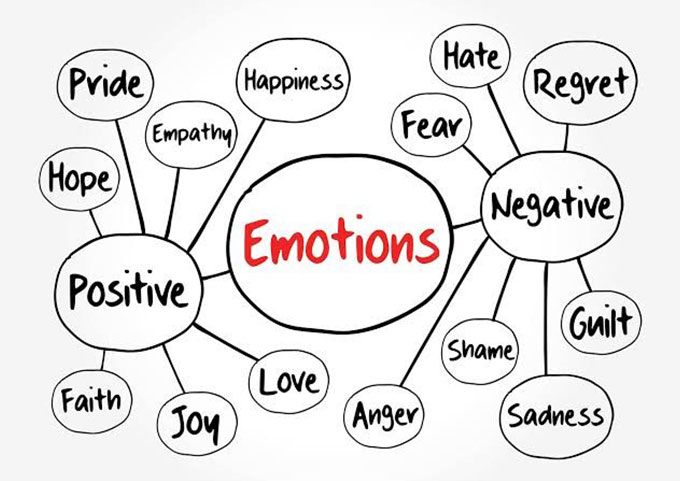
Trust is the foundation of any successful relationship between a brand and its consumers. When negative emotions such as frustration, anger, or disappointment arise, this trust can be quickly eroded. For instance, if a consumer receives a defective product or experiences poor customer service, they may begin to question the brand’s reliability. Once trust is broken, it can be difficult to rebuild, and consumers may choose to take their business elsewhere.
In today’s digital age, negative experiences can quickly become public knowledge. Consumers who feel wronged by a brand are more likely to share their experiences online through social media, review sites, or word-of-mouth. This can lead to widespread damage to a brand’s reputation, especially if the issue is not promptly addressed. Negative reviews and viral social media posts can deter potential customers and harm the brand’s image.
Negative emotions can significantly impact customer loyalty. Even long-time customers may reconsider their relationship with a brand if they encounter negative experiences. This is particularly damaging in competitive markets where consumers have numerous alternatives. Brands that fail to address these issues risk losing not only the affected customers but also their loyal customer base.
The culmination of eroded trust, damaged reputation, and decreased loyalty is often reflected in reduced sales and market share. As consumers turn to competitors who offer a more positive experience, the brand may struggle to maintain its position in the market. This loss of revenue can have a long-term impact on the brand’s financial performance and overall success.
Leading global brands recognize that negative emotions, while potentially disastrous, can also be an opportunity to demonstrate their commitment to customer satisfaction. By effectively managing these situations, brands can not only salvage the relationship but also turn disgruntled customers into loyal advocates. Below are examples of how some leading brands operating in cross-cultural environments have successfully navigated challenging situations.
In 2018, Starbucks faced a significant crisis when two African-American men were arrested at one of its Philadelphia stores while waiting for a friend. The incident sparked widespread outrage and accusations of racial bias. Starbucks recognized the potential long-term damage this could cause to its reputation and took immediate action. The company issued a public apology, closed all its U.S. stores for a day to conduct racial bias training for employees, and launched a series of initiatives to promote diversity and inclusion.
By addressing the issue head-on, Starbucks was able to demonstrate its commitment to creating a welcoming environment for all customers. Although the incident was a serious misstep, the brand’s proactive response helped mitigate the negative impact and rebuild trust with its customer base.
Toyota, one of the world’s largest automakers, experienced a major crisis in 2009-2010 when it had to recall millions of vehicles due to safety concerns related to unintended acceleration. This issue led to a significant loss of consumer confidence and damaged Toyota’s reputation for reliability.
Toyota’s response to the crisis was multifaceted. The company issued a global recall of affected vehicles, halted production of certain models, and worked closely with regulators to address the problem. Toyota’s leadership, including then-president Akio Toyoda, publicly apologized and took responsibility for the issue. The company also implemented changes in its quality control processes to prevent future problems.
Through transparency, accountability, and swift action, Toyota was able to restore trust and regain its reputation as a manufacturer of safe, reliable vehicles.
In 2016, Samsung faced a significant crisis when reports emerged that its Galaxy Note 7 smartphones were prone to overheating and catching fire. The issue led to a global recall of the device and severely damaged Samsung’s reputation, particularly in the competitive smartphone market.
Samsung’s response to the crisis was comprehensive. The company halted production of the Galaxy Note 7, issued a global recall, and offered refunds or exchanges to affected customers. Samsung also conducted a thorough investigation to identify the root cause of the problem and implemented stringent safety checks for future products. The company took full responsibility and communicated openly with the public throughout the process.
Samsung’s transparency and commitment to customer safety helped the brand recover from the crisis. The company’s swift and decisive action reassured customers and prevented long-term damage to its brand.
In 2015, Nestle faced a major crisis in India when reports emerged that its popular Maggi noodles contained excessive levels of lead and monosodium glutamate (MSG). The Indian government ordered a nationwide recall of Maggi noodles, leading to significant financial losses and a dent in Nestle’s reputation in India.
Nestle’s response involved a massive effort to regain consumer trust. The company took immediate action by withdrawing Maggi noodles from the market, cooperating with authorities, and conducting independent tests to refute the allegations. Once the product was cleared, Nestle relaunched Maggi with a strong marketing campaign that emphasized quality and safety. The company also engaged with consumers directly through social media and community outreach programs.
By addressing the issue transparently and taking steps to reassure consumers, Nestlé was able to restore the brand’s reputation in India. Maggi noodles eventually regained its position as a market leader in the country.
In 2017, United Airlines faced a severe backlash when a video of a passenger being forcibly removed from an overbooked flight went viral. The incident sparked outrage and led to widespread criticism of the airline’s policies and treatment of customers.
United Airlines initially struggled with its response, but eventually, the company’s CEO issued a public apology, took responsibility for the incident, and announced changes to its overbooking policy. United also made efforts to compensate the affected passenger and improve its customer service practices.
While the incident caused significant damage to United’s reputation, the airline’s eventual acknowledgment of the problem and commitment to change helped to mitigate the long-term impact.
Negative emotions in brand-consumer relationships can have disastrous effects, including loss of trust, damage to reputation, decreased loyalty, and reduced sales. However, as demonstrated by the examples above, leading brands can salvage these situations by responding swiftly, transparently, and empathetically. By acknowledging their mistakes, taking responsibility, and making meaningful changes, brands can not only repair the damage but also strengthen their relationship with customers.
In today’s cross-cultural business environment, where consumer expectations are high, it is crucial for brands to be prepared to manage negative emotions effectively. By doing so, they can turn potential crises into opportunities to demonstrate their commitment to customer satisfaction and rebuild trust, ultimately securing long-term success.
References:
1. "How Starbucks Addressed the Racial Bias Incident." The New York Times, 2018
2. "Toyota’s Response to the Unintended Acceleration Crisis." Harvard Business Review, 2010
3. "Samsung’s Galaxy Note 7 Recall: A Case Study in Crisis Management." The Guardian, 2016
4. "Nestlé’s Maggi Noodles Controversy in India: Rebuilding Consumer Trust." The Economic Times, 2015
5. "United Airlines PR Crisis: Handling a Viral Incident." Forbes, 2017
Copyright © 2024 The Winning Edge Mumbai, India. All Rights Reserved.